


ESSAYS


Dwelling
PETER BROWNING, MARTHE LISSON, FLORA SAGERS, SABA ZAVAREI
Think Pieces and Konesh Journal jointly explored dwelling and in this conversation, the editors reflect on two workshops they held and which asked participants to dwell.

Afterword
ZOLTÁN KÉKESI
After one year of writing about London and Memory, the series ‘Other Cities: London Memoryscape’ is coming to end with a look back by the series’s editor.

Esporas
VERÓNICA POSADA ÁLVAREZ
Una reflexión poética sobre la migración y la diáspora latinoamericana en Londres, que entrelaza el viaje personal, los sueños y el trabajo de archivo de la autora.
Spores
VERÓNICA POSADA ÁLVAREZ
A poetic reflection on migration and the Latin American diaspora in London that interweaves the author’s personal journey, dreams, and archival work.
Concrete Memories
SABA ZAVAREI
What does exile do to your memories of home? And what happens to these memories when your home is attacked? Do they persist or do they turn into rubble?

An Important yet Undervalued Vernacular
KELECHI ANUCHA
What would it mean to measure the environmental crisis and its impacts qualitatively, taking into account the experience of breathing?

Rivering Vernaculars
REBECCA DRAKE
What is a river if not ‘just’ a body of water? This poetic exploration of rivers and ‘rivering’ suggests that we might only understand

Koutarcano
JOHN SABAPATHY
An experimental piece of writing that traces the histories of Crawford Lake, Ontario which became a site of unique significance for Canada and could have been for the Anthropocene.

Introduction
ABIGAIL BLEACH, CYDNEY PHILLIP
The former IAS Postdoctoral Fellows introduce their guest-edited series on Anthropocene Vernaculars which is based on their year-long research at the Institute.

The Roses of Versailles: Embodied Politics in Jacques Demy’s Lady Oscar
ALESSANDRA ALOISI
A fascinating critique of how Lady Oscar is portrayed in Jacques Demy’s film and how it has reimagined gender, class, and power.
The Roses of Versailles: Queer and Feminist Paladin, and Enemy of the Right
FRANCES CLEMENTE
Lady Oscar has moved from a feminist queer TV icon to become a lively character at the heart of contemporary Italian debates. Can fictional characters influence politics?
The Roses of Versailles: Lady Oscar – Shōjo Warrior at the Crossroads of S Relationships and Queer Desire
CHRISTINA PARTE
Cross-dressing, androgynous looking youth are a frequent feature in shōjo manga – manga for girls. But is it limited to the world of shōjo?
The Roses of Versailles: Introduction
PATRICK BRAY
This new three-part series approaches Lady Oscar, the main protagonist in Riyoko Ikeda’s manga The Rose of Versailles, from different perspectives: the shojo manga, Italian politics and the filmic version.
Storied Walks and Deep Mapping
ALICE-ANNE PSALTIS
An invitation to excavate a place and its memories without digging, deep mapping as a research practice means observing, noticing and connecting with a place.
Of Media, Multiplicities and Monsters
UTA STAIGER
What is the city and how do we map it? Its multiplicities, polyphony and chaos? A critical and playful attempt to map an answer to these questions.
Echoes
ZOLTÁN KÉKESI, VIRGINIA VECCHIOLI
A personal literary essay about a research trip to Buenos Aires and Misiones, and the astonishing connections to Mariana Enriquez’s novel Our Share of Night.

A Delhi Hip-Hop Odyssey
SAROJINI SAPRU
What does it mean if your fieldwork takes place in the comfort of your hometown and to work on a subject like music that is oblivious to ‘professional’ and ‘private’ spheres?

Rethinking the ‘War Frontier’ Label
MARIO GRAÑA TABORELLI
What if a ‘war frontier’ was not only a place of violence and conflict but one of exchange and conversation? Not an impermeable border but an open space?

Buried in Plain Sight
MARGARET COMER
What do we look at when we look at old monuments, like churches? What if we tried to look beyond that is visible, opened ourselves to the unknown? Chances are that we see much more than meets the eye.
Memory Multiplied
FUHITO ENDO
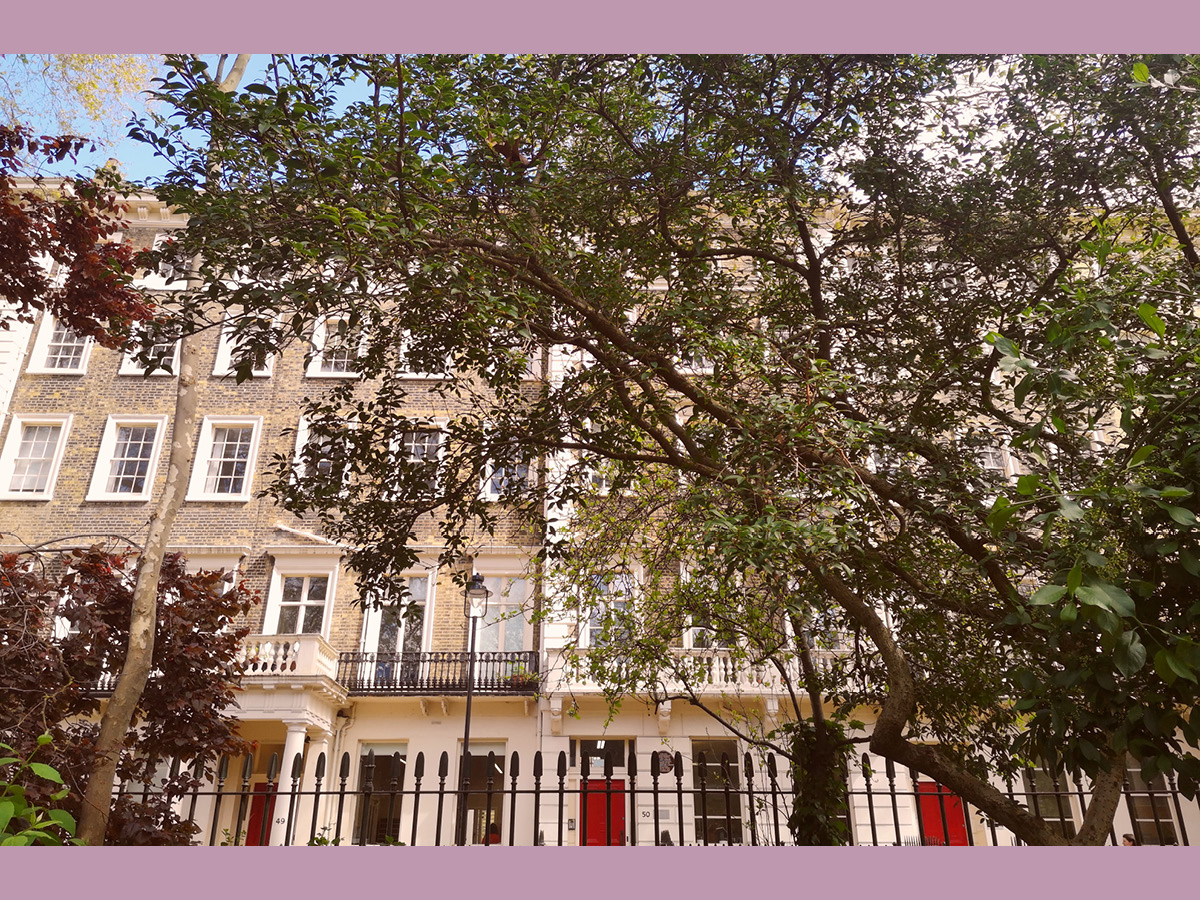
Walking the streets of London, Fuhito Endo is reflecting on the complexity of memory and place, and he is pondering these questions, how could it be otherwise, by way of Virginia Woolf’s Mrs Dalloway.
Felling for Freedom
SOPHIE CHAUHAN
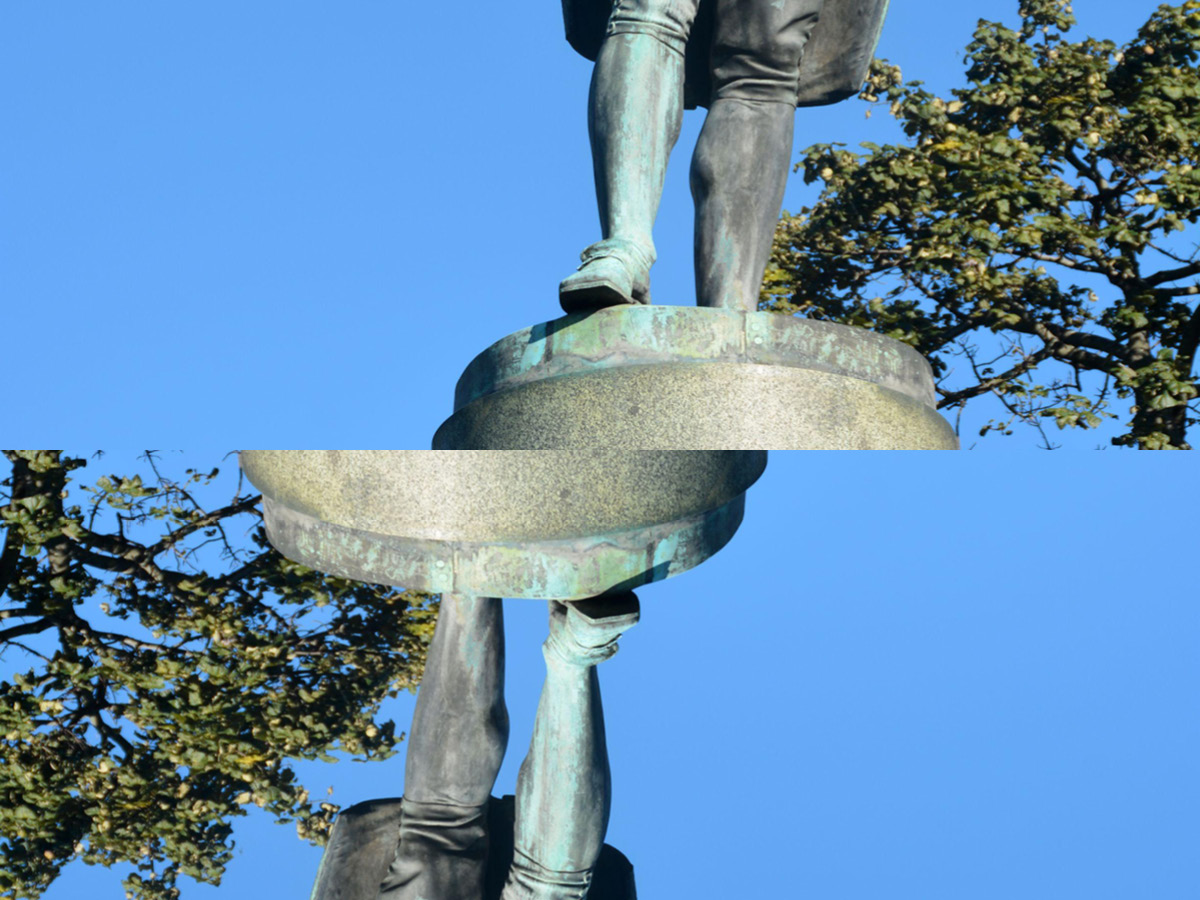
A reflection on the place-making of colonial statues and, especially, their felling to imagine a future when the colony will have fallen.


The Black Atlantic at 30: Diaspora in Conversation
KEISHA BRUCE, GUYANNE WILSON
The third and final instalment of this mini series celebrating Paul Gilroy’s seminal book discusses approaches to diasporic studies, the conceptualisation of diaspora and questions concerning diaspora in communication.

The Black Atlantic at 30: Even the Whales Don’t Read
PHOEBE BRAITHWAITE
The second instalment of this mini series celebrating Paul Gilroy’s seminal book, explores the enduring tension in his work between music and the written word, and how this generates a planetary version of human life.

The Wastiary: Zero Waste
PUSHPA ARABINDOO
To celebrate the IAS publication Wastiary, Think Pieces is publishing three chapters that reflect different perspectives on waste, the meanings and manifestations of it. Third: Zero Waste.

The Wastiary: Yawning and Yearning
TATIANA THIEME
To celebrate the IAS publication Wastiary, Think Pieces is publishing three chapters that reflect different perspectives on waste, the meanings and manifestations of it. Second: Yawning and Yearning.

The Wastiary: Xenophobia
HUDA TAYOB
To celebrate the IAS publication Wastiary, Think Pieces is publishing three chapters that reflect different perspectives on waste, the meanings and manifestations of it. First up: Xenophobia as waste.

The Black Atlantic at 30: Introduction
LARA CHOKSEY
The Black Atlantic holds the peculiar summoning power of a history under reconstruction. That the book is also an invitation to join its project reflects the capaciousness of its historical interventions.


Van Dyck and English Portraiture
MARTHE LISSON
In his Anecdotes of Painting in England, published in 1762, Horace Walpole confessed that his native country ‘has very rarely given birth to a genius in [painting].