
The First Page: Pioneering Women Archivists
ELIZABETH SHEPHERD
The story of four remarkable women who laid the foundations of English local archives in the early twentieth century: Ethel Stokes, Lilian Redstone, Catherine Jamison and Joan Wake.
the UCL IAS Review
ELIZABETH SHEPHERD
The story of four remarkable women who laid the foundations of English local archives in the early twentieth century: Ethel Stokes, Lilian Redstone, Catherine Jamison and Joan Wake.

SOUL MILES
How can we identify Eugenics in its contemporary guises and disguises? A critical look at Eugenics as a ‘design project’.
SELENA DALY
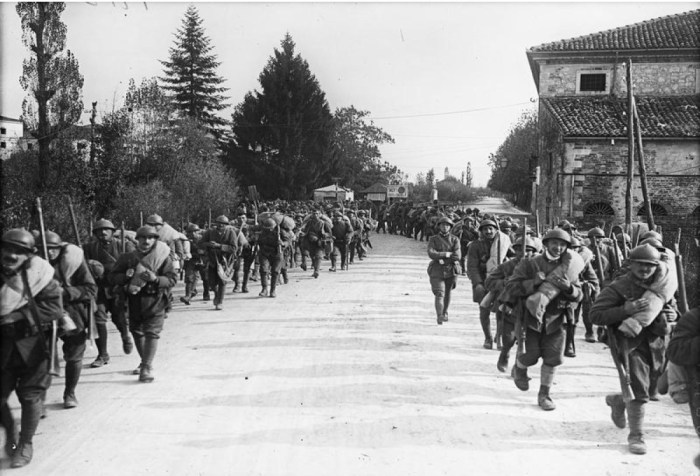
Over 300,000 Italian men returned to Italy from abroad during World War I to perform their conscripted military service. What happened to them following their arrival and once the war had ended?
STEPHANIE BIRD, MARY FULBROOK ET AL
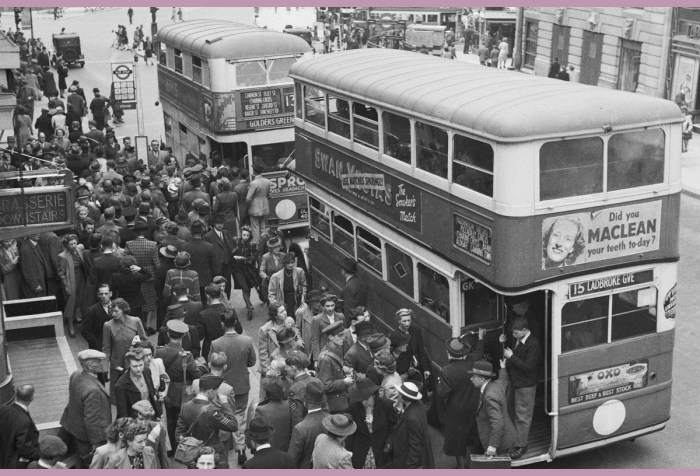
Members of the UCL Centre for Collective Violence, Holocaust and Genocide Studies reflect on the reminiscences of a former member of the Nazi League of German Girls.

ZOLTÁN KÉKESI, VIRGINIA VECCHIOLI
A personal literary essay about a research trip to Buenos Aires and Misiones, and the astonishing connections to Mariana Enriquez’s novel Our Share of Night.

ALICIA SPENCER-HALL
This monograph offers a provocative medieval(ist) reading of Twitter’s premature demise, and Elon Musk’s medievalism.

MARIO GRAÑA TABORELLI
What if a ‘war frontier’ was not only a place of violence and conflict but one of exchange and conversation? Not an impermeable border but an open space?
MARGARET COMER
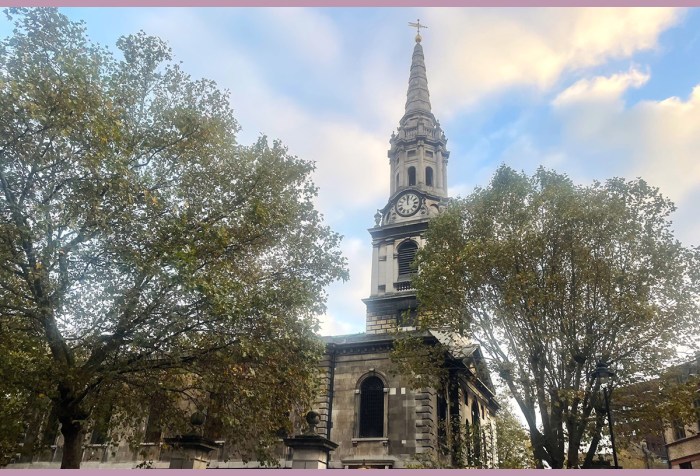
What do we look at when we look at old monuments, like churches? What if we tried to look beyond that is visible, opened ourselves to the unknown? Chances are that we see much more than meets the eye.
HELEN FINCH
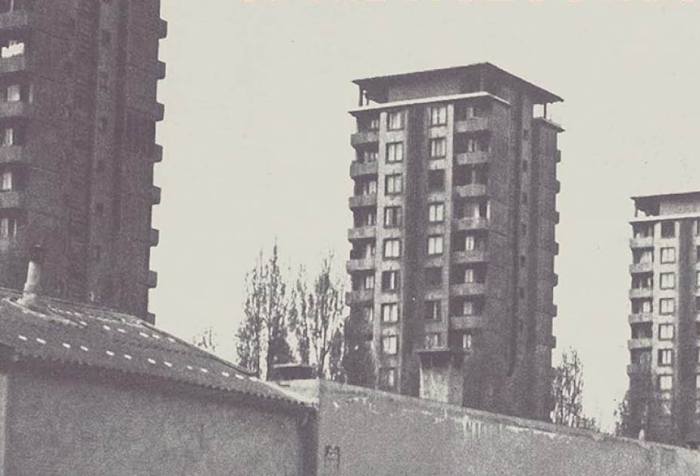
How did German-speaking Holocaust survivors pursue literary careers in an often-indifferent postwar society? And how did their literary life writings reflect their postwar struggles?
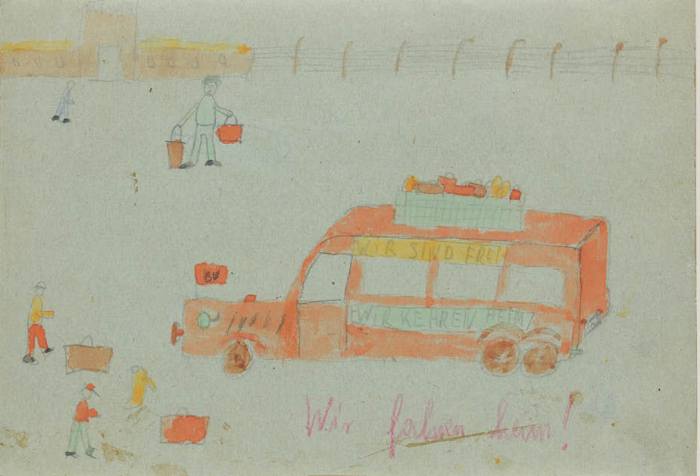
ANNA KOCH
In April 1945, Thomas Geve, a fifteen-year-old former inmate of Buchenwald concentration camp, drew a picture book depicting his experiences.
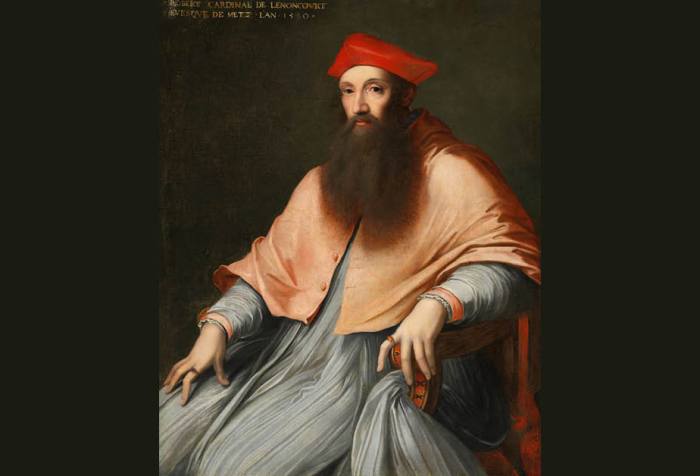
ANA SÁEZ-HIDALGO
An (online) exhibition presents the life of Cardinal Reginald Pole by way of his personal bibliophilia and shines a light on the lesser-known parts of his life.

TOMASZ JABLONSKI
The Spanish port of Sanlúcar is a crucial landmark in the history of European colonisation. The port was unavoidable for ships arriving in Europe and departing to the Americas. Countless opportunists and colonisers …

ZOLTÁN KÉKESI,
NICHOLAS LACKENBY
How come some atrocities of the twentieth century are generally recognised and actively remembered while others are not?