
The First Page: Culture and Science Education
WILTON LODGE, JUSTIN DILLON
What would make science education more inclusive and equitable? Leading figures in education world wide share their visions in this edited volume.
the UCL IAS Review
WILTON LODGE, JUSTIN DILLON
What would make science education more inclusive and equitable? Leading figures in education world wide share their visions in this edited volume.

MARIANNA OBRIST, CARLOS VELASCO
In recent years, multisensory experiences have been increasingly transformed by technology. So what is their future?

NATASHA TANNA, ABEYAMÍ ORTEGA DOMÍNGUEZ, HAKAN SANDAL-WILSON
This edited volume examines knowledge that is often excluded from conventional academic production and its potential to advance social justice.

BRENDA HERBERT
The author broadens the discussion on children who have experienced domestic abuse, a discussion that is very often focused on trauma and risks, and little on the children’s lives beyond abuse.
NIALL SREENAN
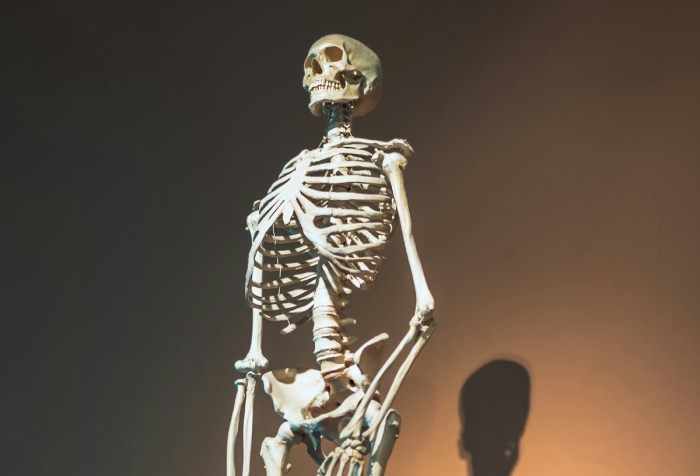
The author revisits the legacy of Charles Darwin’s theories of evolution in the literary works of Thomas Hardy, Emile Zola, Aldous Huxley and others.
KATHARINA GALOR
The story of a friendship between the author, an Israeli Jewish scholar, and Dima Mansour, a young Palestinian held in a Belgian detention centre.

TIM BEASLEY-MURRAY
An exploration of the games we play (whether we know it or not), the ways we play them (for fun, but also to win, and to gain approval from others), and what happens when they get out of hand.

ELIZABETH SHEPHERD
The story of four remarkable women who laid the foundations of English local archives in the early twentieth century: Ethel Stokes, Lilian Redstone, Catherine Jamison and Joan Wake.

RICHARD ELLIS, OR GRAUR
Two first pages by two renowned astrophysicists. The one, a semi-autobiographical account of a career studying distant galaxies. The other, an overview of the history and physics of galaxies.

EMILE BADARIN
Using Palastine as a case study, this book examines how recognition politics operate to legitimise long-standing colonial power structures.

SOUL MILES
How can we identify Eugenics in its contemporary guises and disguises? A critical look at Eugenics as a ‘design project’.
SELENA DALY
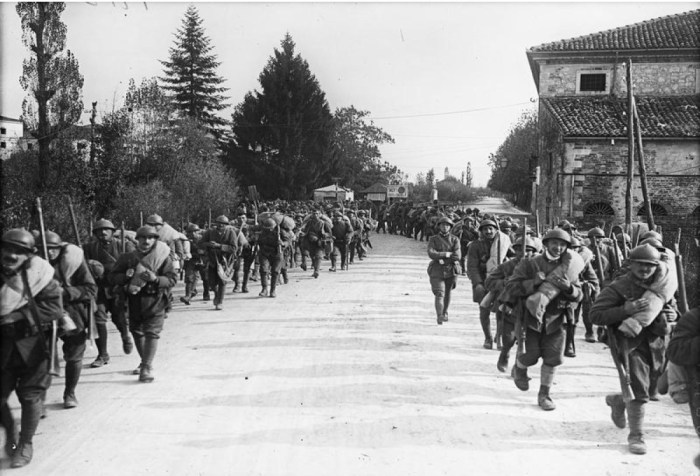
Over 300,000 Italian men returned to Italy from abroad during World War I to perform their conscripted military service. What happened to them following their arrival and once the war had ended?

MAJA & REUBEN FOWKES
A special issue of journal ARTMargins that investigates the records of the transformation of nature in socialist art history.

PABLO BRADBURY, NIALL H.D. GERAGHTY
This new book reevaluates the legacy and significance of the liberation theology movement which emerged in the late twentieth century in Latin America.
REBEKAH HIGGITT & JASMINE KILBURN-TOPPIN
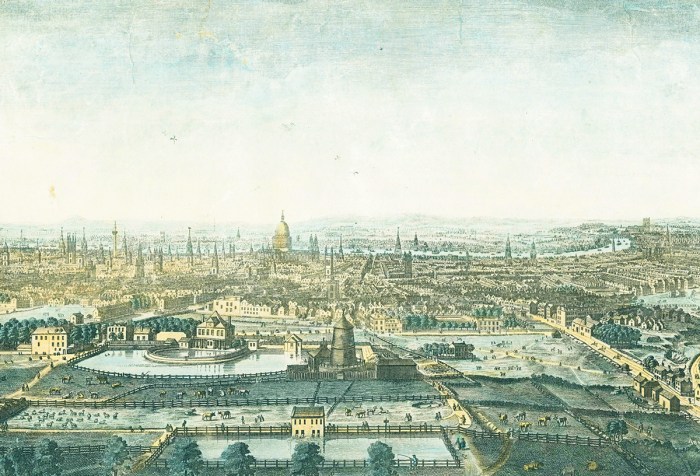
New perspectives on the development of a scientific culture in London between 1600 and 1800.
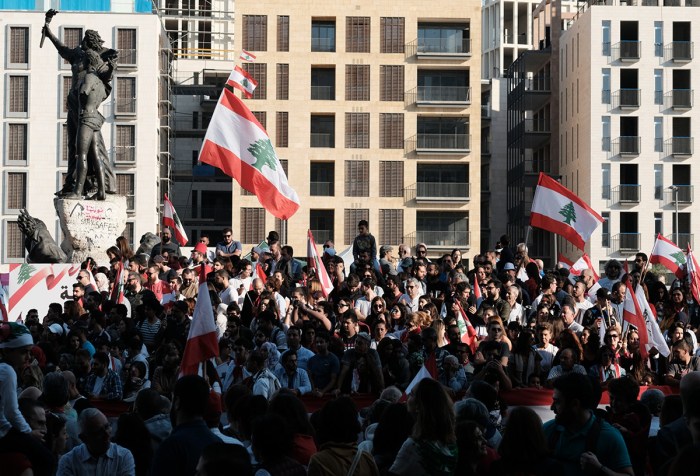
NIKOLAS KOSMATOPOULOS
The author argues that so-called experts, from violence researchers to peace professionals, often misrepresent and exacerbat the violence they claim to be tackling.